
The Best TV Shows on Central Television USSR
Every Central Television USSR Show Ranked From Best To Worst
Our curated list, current as of September 2026, showcases over 20 of Central Television USSR’s highest-rated series. Leading the pack on Central Television USSR are Fuse and Fitil (Film Magazine), with their initial broadcasts in 1962 and 1962. Boasting a rich catalog, Central Television USSR features more than 20 shows, with broadcasting dates ranging from 1962 to 1991.
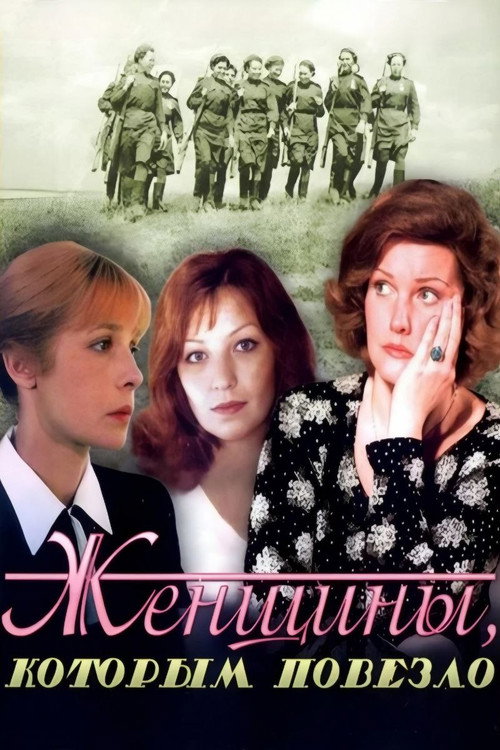 Women Who Got Lucky (1990)9.0
Plot revolves around the post-war decades and tells about the fate of former participants of the Great Patriotic War - Vera Boglyuk, Nina Verkhovskaya, Dusya Koroleva, Zina Skvortsova and Natasha Druzhinina.
 What? Where? When? (1975)8.3
What? Where? When? is an intellectual game show well known in Russian-language media and other CIS states since mid-1970s. Today it is produced for television by TV Igra on the Russian Channel One and also exists as a competitive game played in clubs organized by the World Association of Clubs. Over 17 000 teams worldwide play sport version of game, based on the TV show.
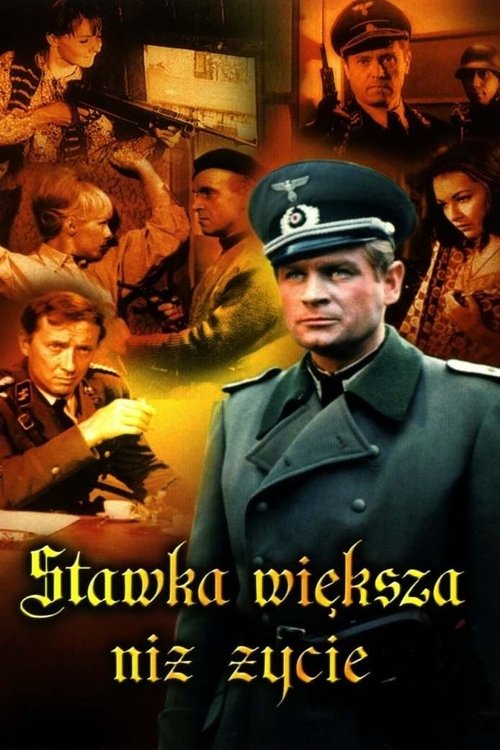 More Than Life At Stake (1968)8.0
A series about the adventures of a Polish secret agent, Hans Kloss, who acts as a double agent in the Abwehr during Second World War in occupied Poland.
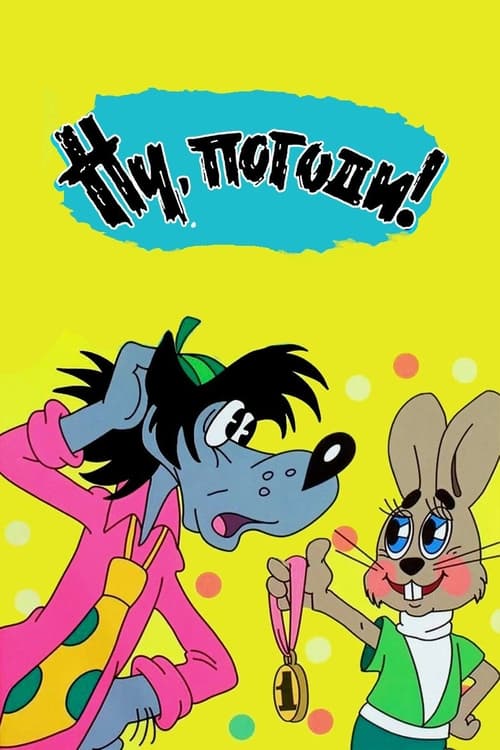 Well, Just You Wait! (1969)8.0
Follows the comical adventures of a mischievous yet artistic wolf [Volk], trying to catch a hare [Zayats]. The series has additional characters that usually either help the hare or interfere with the wolf's plans
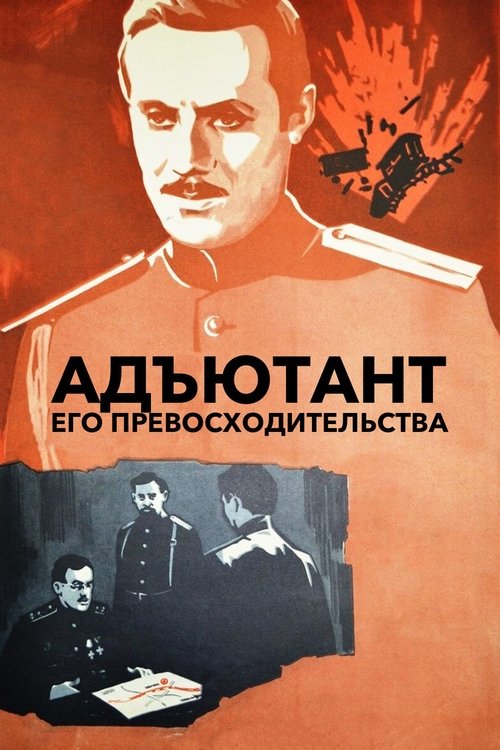 The Adjutant of His Excellency (1970)8.0
Yuri Solomin in the military-adventure film about the fate of red scout Koltsov, who in 1919 was sent with the special sssignments into Denikin's army headquarters, where he became adjutant of the commander. The film not only tells about the operations brilliantly conducted by Koltsov, but also reveals the complex inner world of characters who lived in the controversial and tragic time.
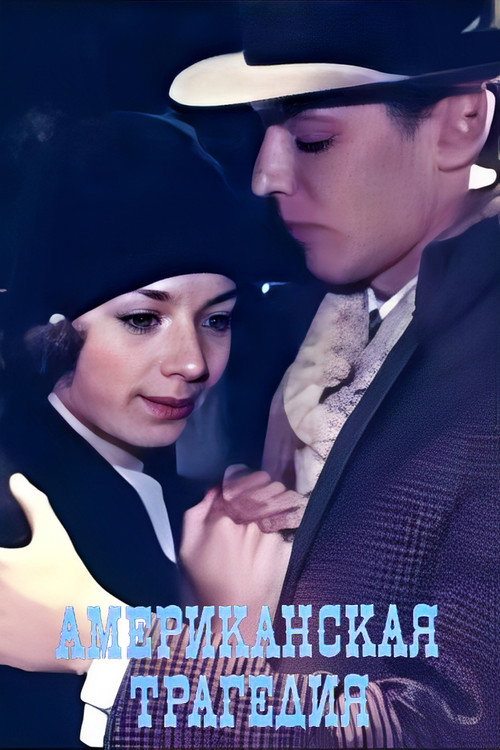 An American Tragedy (1981)8.0
Clyde Griffiths dreams of climbing the corporate ladder and making his way into the highest circles of society. In order to fulfill his most cherished dream, Clyde is ready for absolutely anything, he will not even stop before committing a terrible and ridiculous crime...
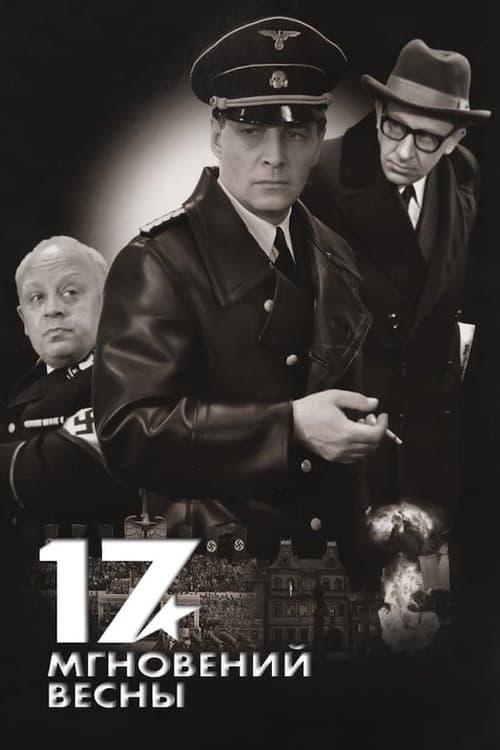 Seventeen Moments of Spring (1973)7.8
A Soviet spy is tasked with disrupting the negotiations between Karl Wolff and Allen Dulles taking place in Switzerland, aimed at forging a separate peace between Germany and the Western Allies.
 Fuse (1962)7.6
Fitil is a popular Soviet/Russian television satirical/comedy short film series which ran for about 500 episodes. Some of the episodes were aimed at children, and were called Фитилёк, Fitilyok, Little Fuse. Each issue contained from the few short segments: documentary, fictional and animated ones. Directed by various artists, including Leonid Gaidai who presented his famous trio of Nikulin, Vitsin and Morgunov into the cast. It was called in USSR as "the anecdotes from the Soviet government".
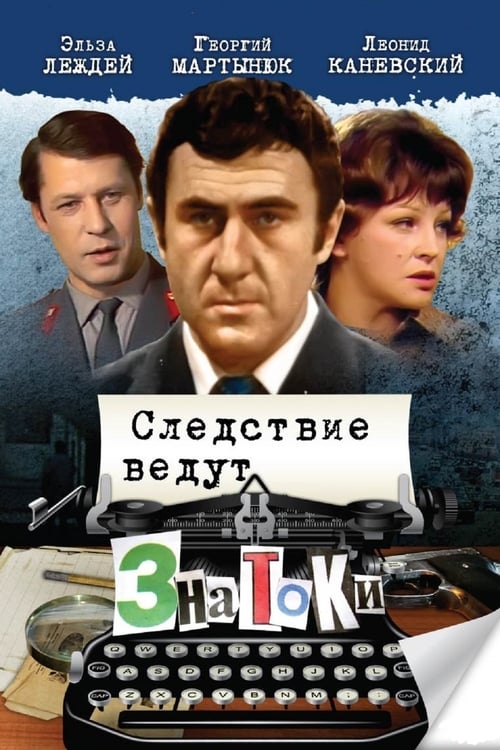 Investigation Held by ZnaToKi (1971)7.6
 Fitil (Film Magazine) (1962)7.5
A satirical film magazine produced by various film studios in the USSR from 1962 to 1991 and in the CIS from 1992 to 2003. The magazine's issues consisted of various stories: feature films, documentaries (with dubbed characters), and cartoons.
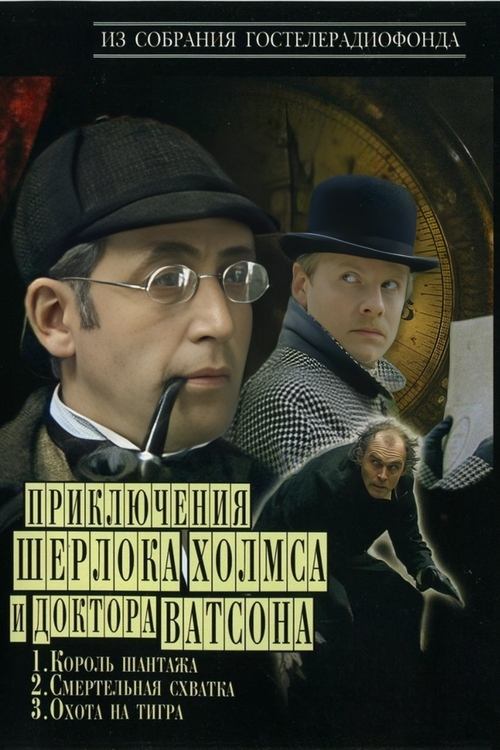 The Adventures of Sherlock Holmes and Dr. Watson (1980)7.3
The second part of the series of television films based on the stories of Arthur Conan Doyle about Sherlock Holmes. The film consists of three episodes (The King of Blackmail, Mortal Fight and Tiger Hunt), filmed based on the stories of Arthur Conan Doyle "The Adventure of Charles Augustus Milverton", "The Final Problem" and "The Adventure of the Empty House", as well as small episodes from the stories "The Interpreter's Case", "Silver" and "The Retired Drunkard".
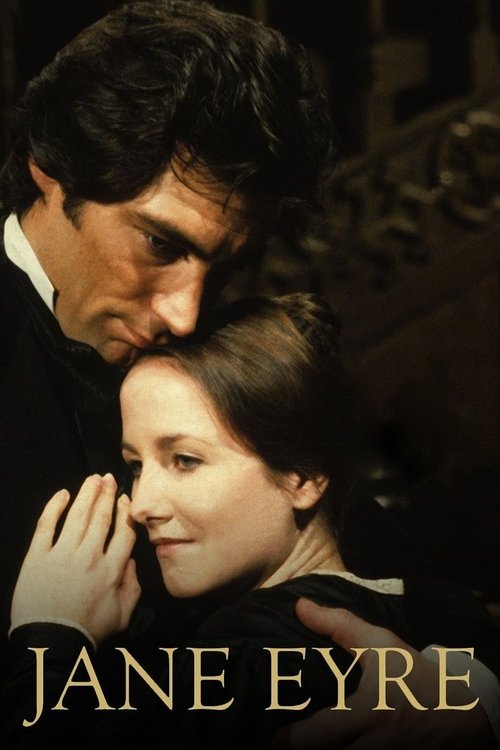 Jane Eyre (1983)7.1
After a bleak childhood, Jane Eyre goes out into the world to become a governess. As she lives happily in her new position at Thornfield Hall, she meets the dark, cold, and abrupt master of the house, Edward Rochester. Jane and her employer grow close in friendship and she soon finds herself falling in love with him. Happiness seems to have found Jane at last, but could Rochester's terrible secret be about to destroy it forever?
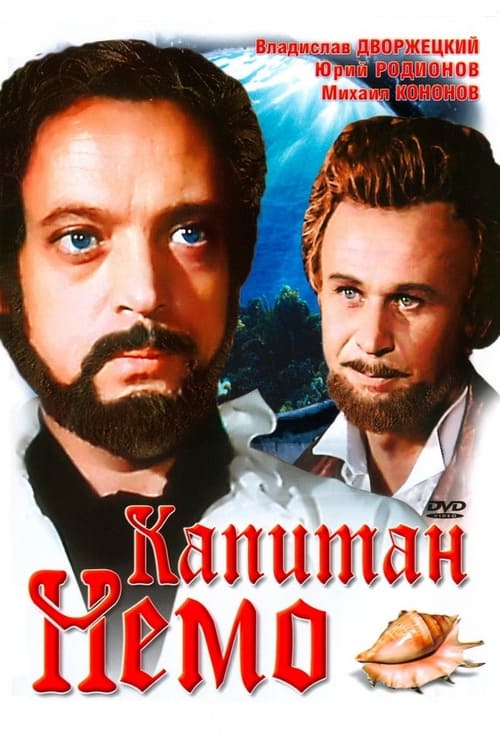 Captain Nemo (1976)7.0
A Soviet three-part television miniseries directed by Vasily Levin loosely based on the novels Twenty Thousand Leagues Under the Sea.
 Zītaru dzimta (1990)7.0
Tragedy of the Zitars family based on the novel by Vilis Lacis.
 KVN Major League (1986)6.7
KVN is a Russian humour TV show and competition where teams compete by giving funny answers to questions and showing prepared sketches. The programme was first aired by the First Soviet Channel on November 8, 1961. Eleven years later, in 1972, when few programmes were being broadcast live, Soviet censors found the students' impromptu jokes offensive and anti-Soviet and banned KVN. The show was revived fourteen years later during the Perestroika era in 1986, with Alexander Maslyakov as its host. It is one of the longest-running TV programmes on Russian Television. It also has its own holiday on November 8, the birthday of the game, which KVN players celebrate every year since it was announced and widely celebrated for the first time in 2001.
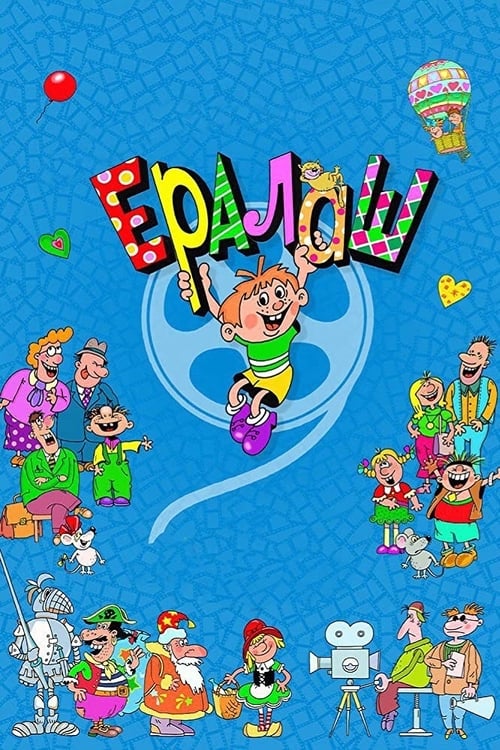 Yeralash (1974)6.6
The children's humorous film magazine "Yeralash" is a one-of-a-kind work of cinematography that ironically approaches the solution of everyday problems, focusing on the views and needs of modern society, allowing different generations to achieve mutual understanding.
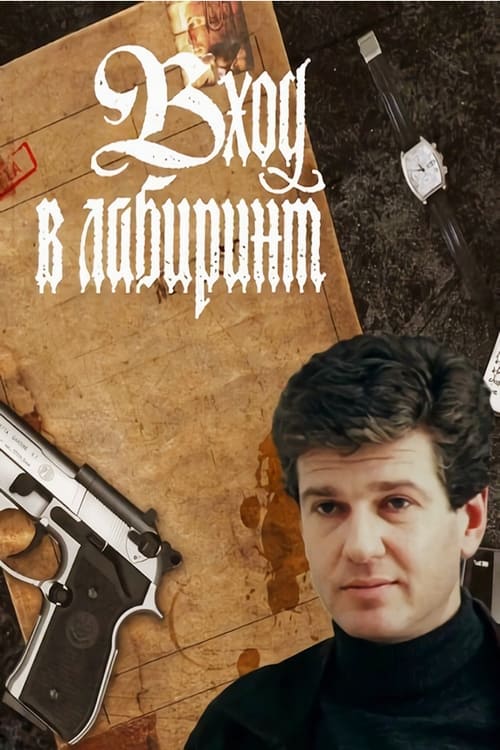 Entrance to the Maze (1990)6.3
A Russian mystery miniseries set both in medieval times and in the days of Perestroika.
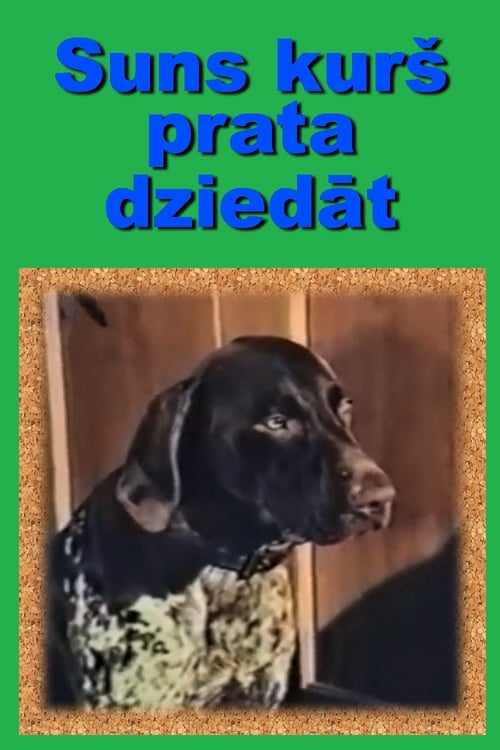 A Dog Who Could Sing (1991)5.0
Many adventures befell a beautiful dog named Michael. He was stolen and sold many times, he lived with both kind and cruel owners, and even performed in the circus arena. And so, during his difficult wanderings, Michael falls into the hands of a lonely sailor, Doug, who, at the risk of losing his job, takes the dog with him.
 Time (1968)3.5
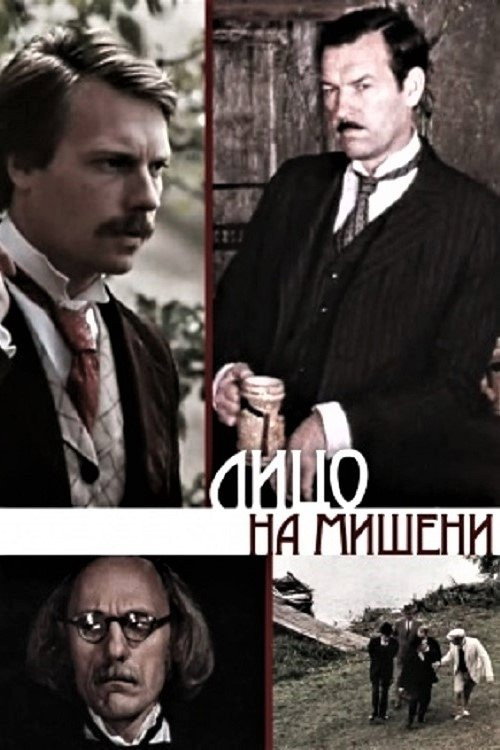 The Face in the Target (1978)N/A
The film is based on Gilbert Keith Chesterton's short stories. Father Brown investigates the murder of a bodyguard of industrial magnate Izaokas Hukas.